

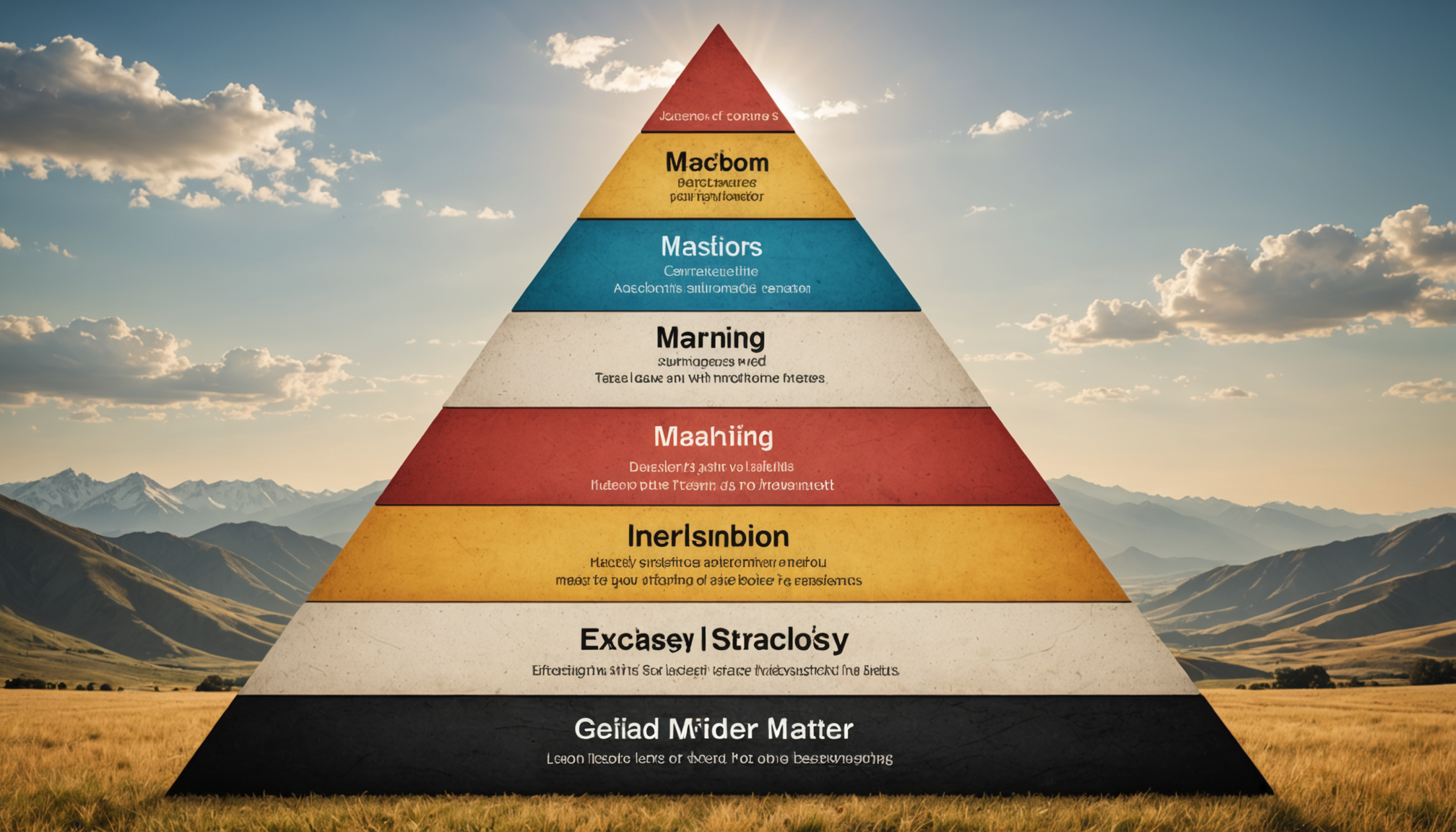
In the realm of psychology, few concepts resonate as deeply with our understanding of human motivation as Maslow’s Hierarchy of Needs. Developed by Abraham Maslow in the mid-20th century, this framework offers a compelling lens through which we can examine the various layers of human experience and aspiration. At its core, Maslow’s theory posits that our needs are organized in a hierarchical structure, ranging from the most basic physiological requirements to the more complex desires for self-actualization. This hierarchy not only reflects our innate drive for survival but also our quest for meaning and fulfillment in life.
As we navigate our daily lives, we often find ourselves oscillating between these different levels of need. The beauty of Maslow’s model lies in its universality; it speaks to the shared human experience, regardless of cultural or social background. By understanding this hierarchy, we can gain insight into our own motivations and those of others, fostering empathy and connection. In this exploration, we will delve into each level of Maslow’s hierarchy, examining how they interconnect and influence our journey toward personal fulfillment.
Maslow’s hierarchy of needs is a psychological theory that outlines the stages of human motivation, ranging from basic physiological needs to self-actualization. Understanding this framework can be particularly useful for content creators, including podcasters, who aim to connect with their audience on a deeper level. For instance, a related article discusses innovative strategies for increasing podcast visibility and engagement, which can help creators fulfill the social needs of their listeners. You can read more about these strategies in the article found here: Clever Ways to Get Your Podcast Heard.
The Five Levels of Maslow’s Hierarchy Explained
Maslow’s Hierarchy is typically depicted as a pyramid, with five distinct levels that represent different categories of needs. At the base are physiological needs, which encompass the essentials for survival—food, water, warmth, and rest. These are the most fundamental requirements; without them, our ability to function diminishes rapidly. Once these needs are met, we ascend to the next level: safety needs. This includes not only physical safety but also emotional security and stability in our environment.
The third level is that of belongingness and love, which highlights our intrinsic need for social connections and relationships. Humans are inherently social beings, and our sense of belonging plays a crucial role in our emotional well-being. Following this is esteem, which encompasses both self-esteem and the esteem we receive from others. This level is about recognition, respect, and a sense of accomplishment. Finally, at the pinnacle of the pyramid lies self-actualization—the realization of our full potential and the pursuit of personal growth and creativity. Each level builds upon the previous one, illustrating how our needs evolve as we progress through life.
Understanding Physiological Needs and Their Impact on Personal Fulfillment

Physiological needs form the foundation of Maslow’s hierarchy and are essential for our survival. When we think about these needs, we often focus on the tangible aspects: food on the table, a roof over our heads, and access to clean water. However, the impact of these needs extends far beyond mere survival; they significantly influence our overall sense of well-being and personal fulfillment. When we are hungry or fatigued, our ability to think clearly and engage with the world diminishes. In this state, higher-level aspirations feel distant or even unattainable.
Consider a student who is struggling to concentrate in class because they haven’t eaten properly or are lacking sleep. Their physiological needs are unmet, which directly affects their academic performance and self-esteem. In contrast, when these basic needs are satisfied—when they have regular meals and adequate rest—they can focus on their studies and engage more fully with their peers. This illustrates how fulfilling physiological needs is not just about survival; it lays the groundwork for pursuing higher-level goals and aspirations.
The Role of Safety and Security in Achieving Personal Fulfillment

Once physiological needs are met, we turn our attention to safety and security. This level encompasses both physical safety—such as living in a secure environment—and emotional security, which includes stability in relationships and a sense of predictability in life. The importance of safety cannot be overstated; when we feel threatened or insecure, it becomes nearly impossible to focus on anything beyond immediate survival.
Imagine an individual living in a tumultuous household where conflict is frequent and safety is uncertain. In such an environment, their primary concern is likely to be finding a way to escape or mitigate that threat. This preoccupation with safety can stifle personal growth and hinder the pursuit of relationships or career aspirations. Conversely, when individuals feel secure—whether through stable employment, supportive relationships, or a safe living environment—they can begin to explore their interests and passions more freely. This sense of security acts as a springboard for deeper connections with others and greater engagement with life.
Maslow’s hierarchy of needs is a fascinating framework that explores human motivation and personal development. It emphasizes the importance of fulfilling basic needs before progressing to higher levels of psychological and self-fulfillment needs. For a deeper understanding of how these concepts can be applied in everyday life, you might find this article on the connection between personal desires and motivation particularly insightful. It discusses how our cravings, much like the love for pineapples and donuts, can reflect our underlying needs and aspirations. You can read more about this intriguing perspective in the article here.
How Belongingness and Love Contribute to Personal Fulfillment
| Level | Need | Description |
|---|---|---|
| 1 | Physiological | Basic needs such as food, water, shelter, and sleep |
| 2 | Safety | Security, stability, and protection from physical and emotional harm |
| 3 | Love/Belonging | Desire for friendship, intimacy, and connection with others |
| 4 | Esteem | Feeling of accomplishment, respect, and recognition |
| 5 | Self-Actualization | Fulfilling one’s potential, personal growth, and self-fulfillment |
The third level of Maslow’s hierarchy emphasizes belongingness and love—our need for social connections and meaningful relationships. Humans are inherently social creatures; we thrive on connection with others. This need manifests in various forms: friendships, romantic relationships, family ties, and community involvement. When we feel loved and accepted by those around us, it fosters a sense of belonging that is crucial for our emotional health.
Consider the impact of belongingness on an individual’s self-esteem. A person who feels isolated or rejected may struggle with feelings of worthlessness or inadequacy. In contrast, someone who is surrounded by supportive friends or family members is more likely to feel valued and understood. This sense of belonging not only enhances our emotional well-being but also encourages us to take risks and pursue our goals. When we know we have a support system cheering us on, we are more likely to step outside our comfort zones and strive for personal fulfillment.
Maslow’s hierarchy of needs is a fascinating framework that explores the different levels of human motivation, from basic physiological needs to self-actualization. This philosophy can also be applied in various contexts, including the business world, where understanding employee motivation is crucial for success. For a deeper insight into how these concepts can be integrated into organizational practices, you might find this article on business podcasts particularly enlightening, as it discusses how different levels of needs can influence workplace dynamics and productivity.
The Importance of Esteem and Self-Respect in Maslow’s Hierarchy
As we move up the hierarchy, esteem becomes increasingly important in our quest for personal fulfillment. Esteem encompasses two dimensions: self-esteem—how we perceive ourselves—and esteem from others—how we believe others view us. Both aspects are vital for fostering a sense of worthiness and accomplishment. When we achieve something meaningful or receive recognition from others, it boosts our confidence and reinforces our belief in our abilities.
However, esteem can be fragile; it often hinges on external validation or societal standards. For instance, an artist may struggle with self-esteem if their work is not recognized or appreciated by others. This external validation can create a cycle where their self-worth becomes dependent on others’ opinions rather than an intrinsic understanding of their value. To cultivate genuine self-esteem, it’s essential to develop self-respect—an internal acknowledgment of one’s worth that is not solely reliant on external factors. Engaging in self-reflection and recognizing personal achievements can help foster this internal sense of esteem.
Self-Actualization: Reaching Your Full Potential for Personal Fulfillment
At the pinnacle of Maslow’s hierarchy lies self-actualization—the realization of one’s full potential and the pursuit of personal growth. This level is about becoming who you truly are and striving to fulfill your unique capabilities. Self-actualization is not a destination but rather an ongoing journey that involves continuous learning, creativity, and self-discovery.
Consider someone who has always dreamed of writing a novel but has never taken the leap due to fear or self-doubt. When they finally decide to pursue this passion—perhaps after fulfilling their physiological, safety, belongingness, and esteem needs—they embark on a transformative journey toward self-actualization. This process may involve facing challenges, embracing vulnerability, and exploring their creativity in ways they never thought possible. Ultimately, self-actualization allows individuals to express their true selves fully and contribute meaningfully to the world around them.
Applying Maslow’s Hierarchy to Personal Growth and Development
Understanding Maslow’s hierarchy can serve as a valuable tool for personal growth and development. By recognizing where we stand within this framework, we can identify areas that require attention or improvement. For instance, if someone feels unfulfilled in their career but struggles with low self-esteem or a lack of social connections, they might first focus on building relationships or enhancing their skills before pursuing new job opportunities.
Moreover, this hierarchy encourages us to approach personal development holistically. It reminds us that neglecting any level can hinder our overall growth. For example, if we prioritize career success without addressing our emotional well-being or social connections, we may find ourselves feeling empty despite external achievements. By taking a balanced approach that considers all levels of Maslow’s hierarchy, we can create a more fulfilling life that aligns with our values and aspirations.
Overcoming Obstacles to Fulfilling Each Level of Maslow’s Hierarchy
While Maslow’s hierarchy provides a useful framework for understanding human motivation, it’s essential to recognize that obstacles can arise at each level that impede our progress toward fulfillment. For instance, financial instability may prevent individuals from meeting their physiological needs or feeling secure in their environment. Similarly, past traumas or negative experiences can hinder one’s ability to form meaningful relationships or develop self-esteem.
Overcoming these obstacles often requires introspection and proactive strategies tailored to individual circumstances. Seeking support from friends or professionals can be instrumental in addressing emotional barriers that affect safety or belongingness needs. Additionally, cultivating resilience through mindfulness practices or goal-setting can empower individuals to navigate challenges more effectively. By acknowledging these obstacles and actively working to overcome them, we can move closer to fulfilling each level of Maslow’s hierarchy.
The Connection Between Maslow’s Hierarchy and Mental Health
Maslow’s hierarchy has profound implications for mental health as well. Each level reflects essential components of psychological well-being; when these needs are unmet, individuals may experience anxiety, depression, or feelings of isolation. For example, someone struggling with chronic illness may find it challenging to meet their physiological needs consistently, leading to feelings of helplessness or despair.
Conversely, when individuals work toward fulfilling their needs across all levels—physiological, safety, belongingness, esteem, and self-actualization—they often experience improved mental health outcomes. Engaging in supportive relationships fosters connection; pursuing personal goals enhances self-esteem; achieving a sense of security contributes to overall stability. By recognizing the interconnectedness between Maslow’s hierarchy and mental health, we can better understand how addressing these needs holistically can lead to greater emotional resilience.
Practical Strategies for Achieving Personal Fulfillment Using Maslow’s Hierarchy
To apply Maslow’s hierarchy effectively in our lives, it’s helpful to adopt practical strategies tailored to each level of need. At the physiological level, prioritizing self-care—such as maintaining a balanced diet, getting enough sleep, and engaging in regular physical activity—can lay a strong foundation for overall well-being.
For safety needs, creating a stable environment—both physically and emotionally—can foster security. This might involve establishing routines that promote predictability or seeking out supportive relationships that provide emotional stability.
When it comes to belongingness and love, actively nurturing relationships through open communication and shared experiences can enhance feelings of connection. Joining community groups or engaging in social activities can also help foster a sense of belonging.
To build esteem, setting achievable goals—whether personal or professional—and celebrating accomplishments along the way can boost confidence and self-respect. Engaging in positive self-talk and surrounding oneself with supportive individuals who uplift rather than criticize can further enhance self-esteem.
Finally, pursuing self-actualization involves embracing creativity and exploration—whether through hobbies, education, or new experiences—that align with one’s passions and values. By taking intentional steps at each level of Maslow’s hierarchy, individuals can cultivate a more fulfilling life that resonates with their true selves.
In conclusion, Maslow’s Hierarchy of Needs offers profound insights into the complexities of human motivation and fulfillment. By understanding this framework and applying its principles to our lives, we can navigate our journeys toward personal growth with greater clarity and purpose.
FAQs
What is Maslow’s hierarchy of needs philosophy?
Maslow’s hierarchy of needs is a theory in psychology proposed by Abraham Maslow in his 1943 paper “A Theory of Human Motivation.” The theory suggests that human needs can be organized into a hierarchy, with basic physiological needs at the bottom and higher-level needs such as self-actualization at the top.
What are the five levels of Maslow’s hierarchy of needs?
The five levels of Maslow’s hierarchy of needs, from bottom to top, are: 1) Physiological needs (e.g., food, water, shelter), 2) Safety needs (e.g., security, stability), 3) Love and belongingness needs (e.g., relationships, friendships), 4) Esteem needs (e.g., self-esteem, respect from others), and 5) Self-actualization needs (e.g., personal growth, fulfillment).
How does Maslow’s hierarchy of needs philosophy apply to human behavior?
Maslow’s hierarchy of needs philosophy suggests that individuals are motivated to fulfill their needs in a hierarchical order. For example, if a person’s physiological needs are not met, they will prioritize fulfilling those needs over higher-level needs such as self-actualization. This theory can help explain and predict human behavior based on the level of need that is most pressing for an individual.
What are some criticisms of Maslow’s hierarchy of needs philosophy?
Some criticisms of Maslow’s hierarchy of needs philosophy include the lack of empirical evidence to support the specific hierarchy of needs, the cultural bias in the theory’s development, and the idea that individuals may not always prioritize needs in a strict hierarchical order. Additionally, some argue that the theory may not account for individual differences in how needs are prioritized.
How is Maslow’s hierarchy of needs philosophy used in practical settings?
Maslow’s hierarchy of needs philosophy is often used in practical settings such as education, business, and healthcare to understand and address the needs of individuals. For example, educators may use the theory to create a supportive learning environment that addresses students’ basic needs before focusing on higher-level learning. In business, managers may use the theory to motivate employees by understanding and addressing their needs within the workplace.